
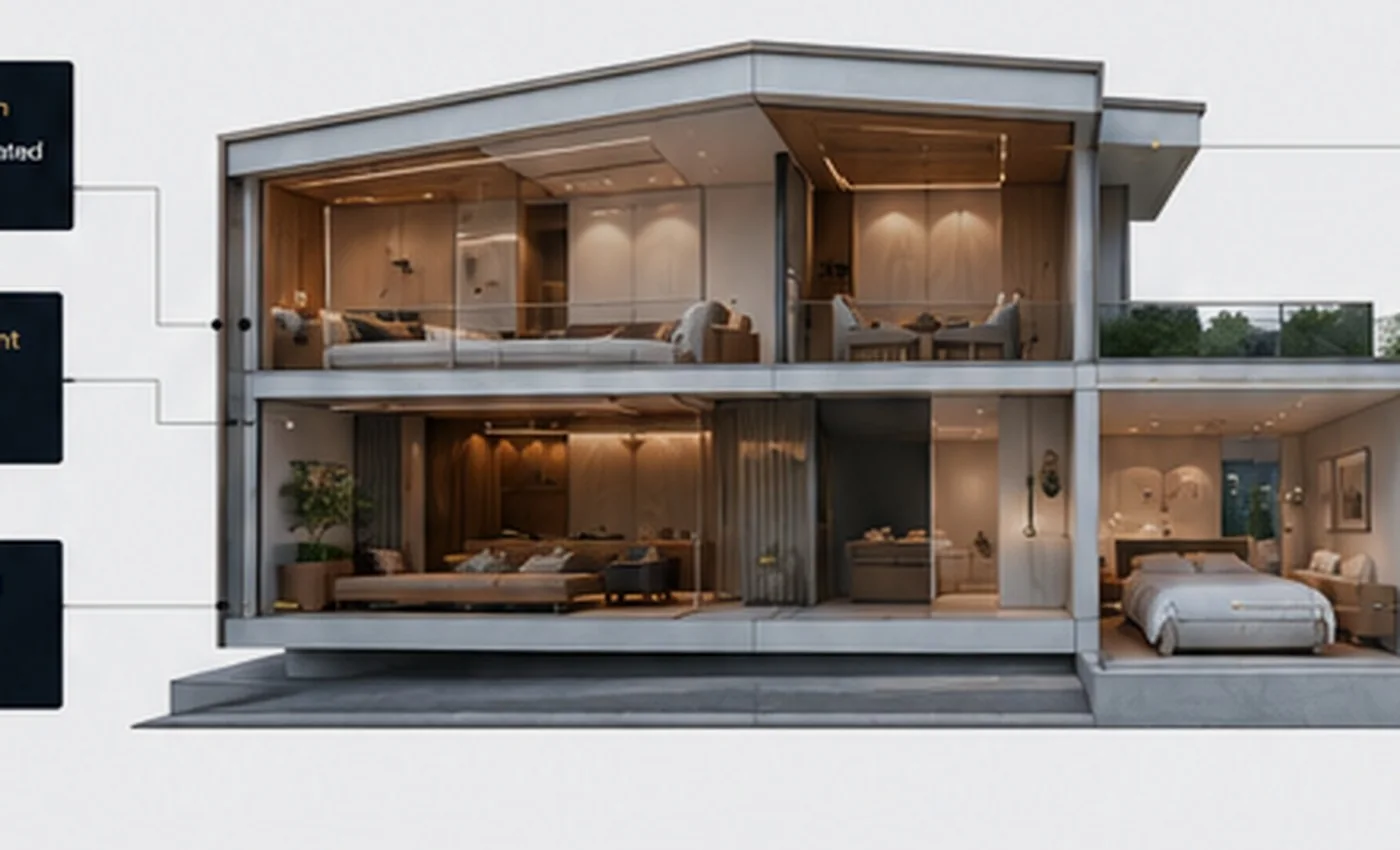
Air-conditioning manufacturers

Specify by application, not by badge.

A strong specification compares product range, acoustic data, dimensions, controls, technical limits, warranty route and long-term support against the actual building.

Manufacturer-neutral advice

The project should decide the shortlist.

The profiles below are a model-by-model comparison starting point, not a claim of partnership or approval. Availability, installer status and long-term support are confirmed in the written proposal.

Daikin

Broad residential and commercial ranges, with visible, concealed and larger multi-zone options. Compare model-specific sound, dimensions, controls, technical limits and support.

  • Residential and light-commercial breadth
  • Ducted, split and larger-system options
  • Controls and integration vary by range
Mitsubishi Electric

Commonly considered across homes, workplaces and larger buildings. Suitability still depends on the exact indoor-unit style, route, control strategy and project conditions.

  • Wide choice of indoor-unit formats
  • Residential and commercial architectures
  • Model-by-model acoustic review required
Toshiba

A range spanning focused split systems and commercial applications. Compare the selected equipment rather than relying on a general brand-level assumption.

  • Single and multi-zone applications
  • Commercial system options
  • Controls, support and dimensions checked by model
Fujitsu

Options for residential and light-commercial projects, including wall-mounted and concealed formats. Final selection should reflect routes, sound and service access.

  • Compact and varied indoor-unit choices
  • Residential and smaller commercial use
  • Application-specific selection essential
Panasonic

Residential and commercial climate systems with a range of control and indoor-unit options. Product availability and support should be verified for the live specification.

  • Home and business applications
  • Visible and concealed formats
  • Controls and aftercare route confirmed early
What to compare

Brand is one decision inside a much larger design.

A useful recommendation should show why a particular range fits the load, room, finish, routes, controls and aftercare model rather than presenting a logo as the answer.

Performance at real conditions

Capacity, operating range and sensible diversity considered for the actual room and expected use, not just nominal model size.

Sound where it matters

Indoor and outdoor sound data reviewed alongside fan speed, mounting, neighbouring spaces and night-time use.

Dimensions and technical limits

Pipe lengths, lifts, drainage, clearances, ceiling space and access checked before the product is committed.

Controls people can use

Local controllers, apps, schedules, central interfaces and permissions matched to residents, staff or facilities teams.

Warranty route

Supply chain, registration, commissioning requirements and exclusions made clear in the proposal and handover records.

Parts and service support

Long-term maintainability, parts route and technician familiarity considered alongside purchase price.

Appearance and finish

Indoor-unit form, colour, grille design and visual impact compared with the room rather than judged in isolation.

Efficiency without oversizing

Seasonal performance and control strategy considered alongside correct sizing and how the system will actually be operated.

Current, verifiable status

Know exactly what the manufacturer relationship means.

Terms such as partner, approved, accredited or specialist only matter when the current status, scope and customer benefit are clear.

  • Exact status The manufacturer’s official programme name, business entity and current scope.
  • Current evidence A verification route or review date so the status can be checked.
  • Customer benefit For example, warranty registration, commissioning requirements or a recognised support route.
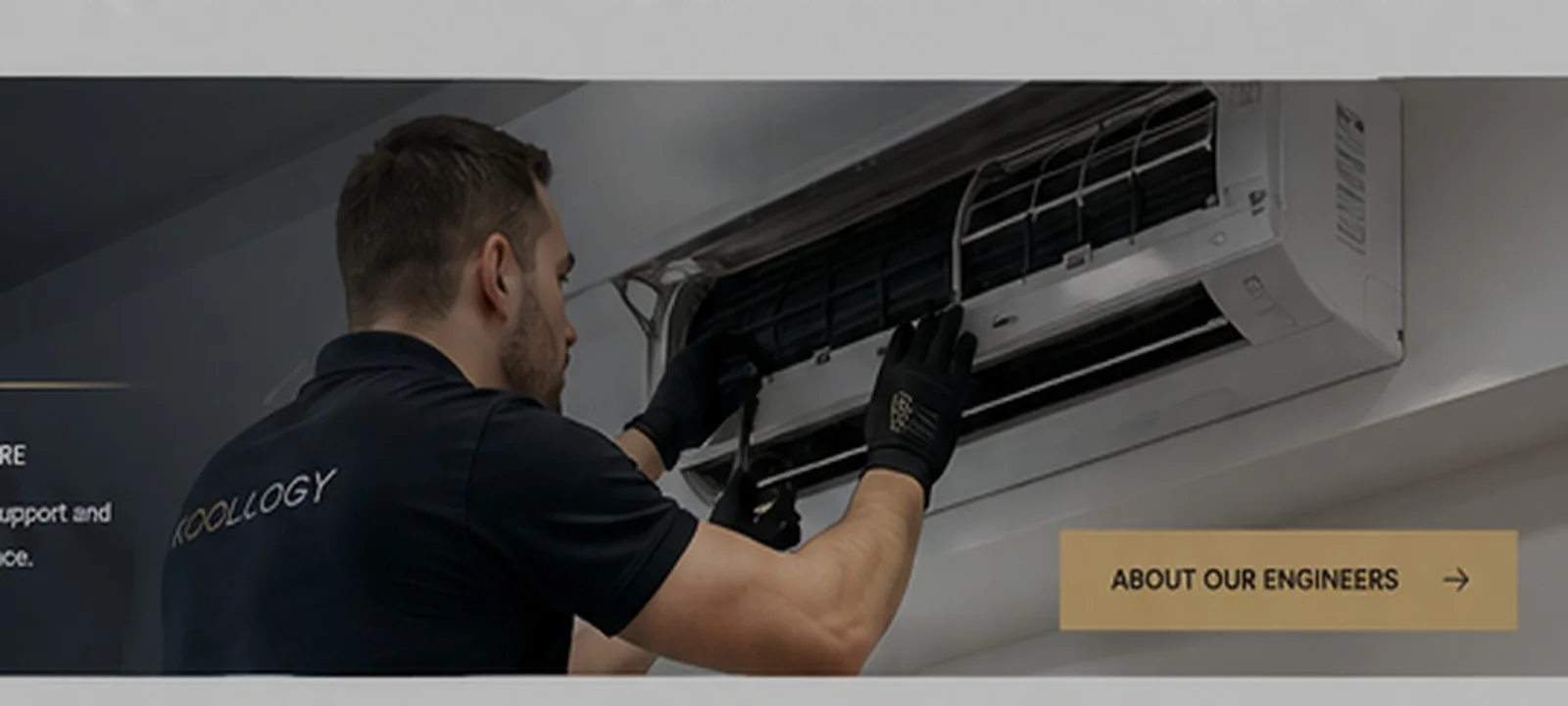
Engineer discussing an air-conditioning design and equipment specification
Status with substance Logos and claims should be supported by permission, current evidence and a clear customer benefit.
A better buying question

Ask why this exact model fits this exact space.

A high-quality proposal should connect the selected system to the design evidence, not simply list a manufacturer and capacity.

Manufacturer questions

There is no universal best manufacturer. The useful question is which model and system type best fit the load, sound target, available routes, controls, appearance, warranty and long-term support for the project.

Yes. Share the reason for the preference, such as previous experience, a required control platform, appearance or an estate standard. The survey should confirm whether that preference remains suitable for the building.

No. Sound data varies by model, capacity, indoor-unit type and operating speed. Published minimum figures also need context: placement, mounting, fan speed and room acoustics affect the experience.

It can. Warranty length and conditions may depend on the product, approved supply route, installer status, registration, commissioning records and maintenance. These points should be confirmed in the written proposal.

Sometimes, but the decision should consider controls, appearance, service complexity, spare parts and the reason for mixing systems. A mixed specification should be intentional rather than accidental.

The Koolology Comfort Brief

Let the building and brief decide the shortlist.

Share the rooms, operating needs, visual priorities and any existing manufacturer preference. The design can then compare products on evidence rather than familiarity alone.

Call Start your project brief