
Planned servicing
Routine checks, cleaning and performance review aligned with use, environment, warranty and manufacturer guidance.

Planned servicing, fault diagnosis and replacement support for residential and commercial air conditioning, with clear findings and sensible next steps rather than maintenance for its own sake.
The support route should reflect the equipment, environment, use and risk. A lightly used home system and a critical commercial estate do not need the same plan.
Routine checks, cleaning and performance review aligned with use, environment, warranty and manufacturer guidance.
Symptoms, error codes, operating conditions and service history used to plan a structured diagnostic visit.
Controls, filters, airflow, settings and condition reviewed where the system is running but not delivering the expected result.
Condition, reliability, repair history, refrigerant, parts and future needs considered before recommending renewal.
The exact scope depends on the equipment and contract, but the customer should understand condition, work completed, defects found and the priority of any recommended actions.
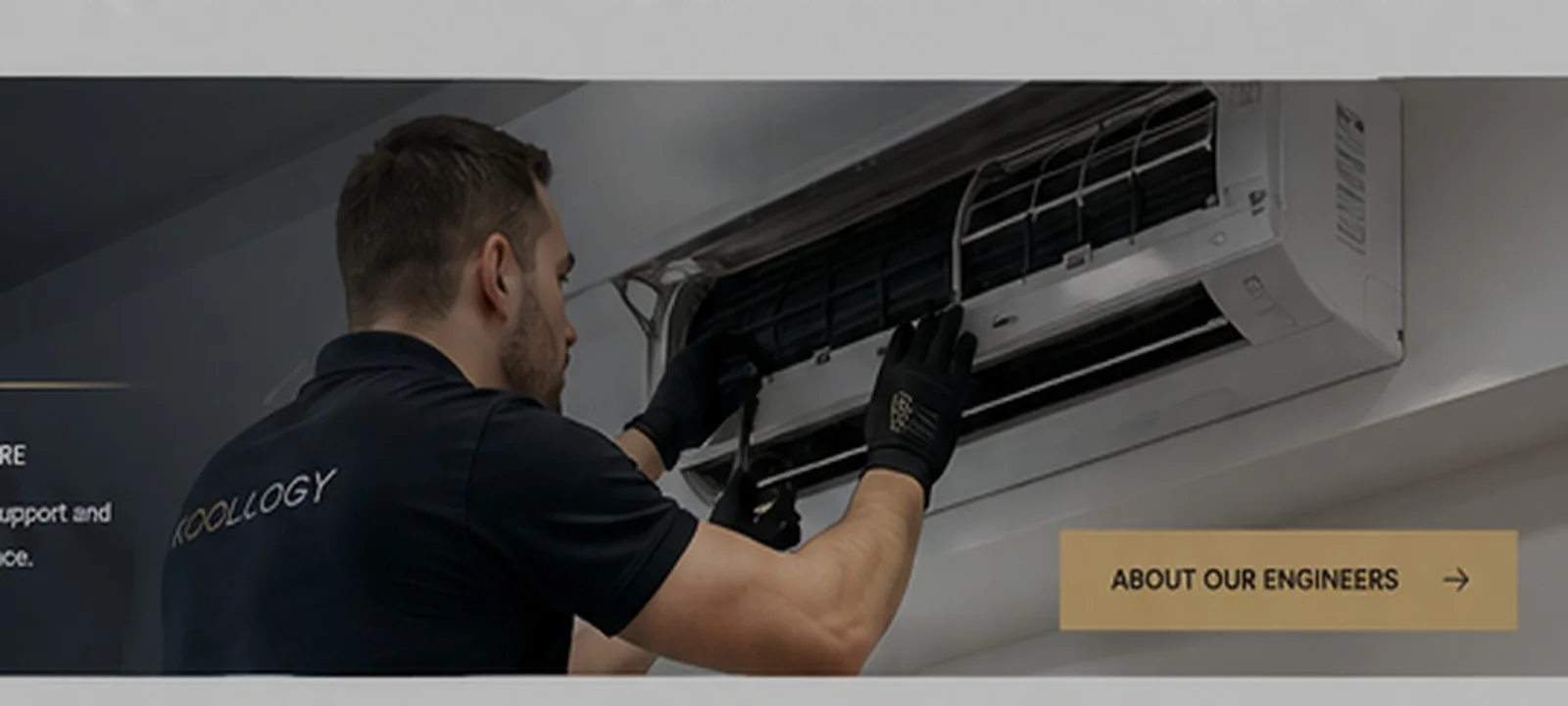
Care Home, Care Business and Care Estate give the maintenance relationship a consistent structure while visit frequency, response arrangements, exclusions and pricing remain tailored to the equipment, environment, use and operational risk.
For single-room and multi-room residential systems that need planned professional attention and a clear support route.
For workplaces and customer environments needing scheduled visits, asset information and prioritised reporting.
For customers who need consistent maintenance data, access planning and condition visibility across several locations.
Useful information can reduce uncertainty and avoid a generic first visit. Photos of labels, error codes, when the fault started, what the system is doing and any recent work are all valuable.
Attendance times, charges and parts arrangements are confirmed when the visit is booked. Emergency or out-of-hours coverage is included only where it is stated in the service agreement.
A short set of system details allows the service team to route the enquiry, identify likely parts or specialist requirements and explain the booking process clearly.
The right interval depends on system type, use, environment, criticality, manufacturer guidance and warranty conditions. Commercial or heavily used equipment may need more frequent attention than lightly used residential systems.
Provide the make, model, serial number where accessible, error code, symptoms, when the issue began, which units are affected, photographs and any recent service or repair history. Also confirm access and operating constraints.
Sometimes performance issues relate to filters, airflow, settings, maintenance or minor faults. Other cases involve sizing, refrigerant, component failure or installation problems. A diagnosis should separate maintenance needs from design or repair issues.
Consider equipment age, condition, parts availability, refrigerant, reliability, repair cost, energy use, changing building needs and the risk of further failure. The recommendation should be supported by evidence rather than age alone.
This depends on equipment, condition, access, available records and the approved service policy. An initial condition or takeover assessment may be needed before a planned maintenance arrangement is accepted.
Whether the need is planned care, a current fault or a replacement decision, start with the equipment, symptoms, building and service history so the next step is useful.